
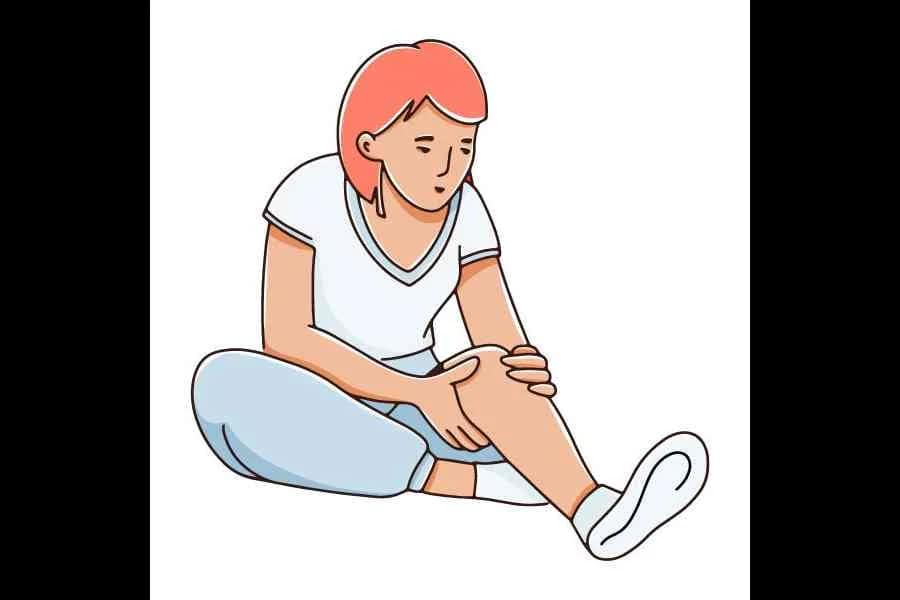
Q/A About to remove Muscle knots
Massage is an effective way to relieve muscle knots—tight, sensitive areas in muscles that often feel like small bumps or trigger points. These knots can form due to stress, overuse, poor posture, or injury. A deep tissue massage targets the deeper layers of muscle and connective tissue, using slow, firm strokes to break up adhesions and increase blood flow to the affected area. This can help relax the muscle, reduce pain, and restore mobility.To effectively remove muscle knots through massage, focus on gentle, targeted pressure and gradual muscle release. Begin by warming up the area with light strokes, such as effleurage, to increase blood flow and loosen the surrounding tissue. Once the muscle is relaxed, apply deeper pressure using your thumbs, knuckles, or a massage tool to locate the knot — a small, tense bump that may feel tender to the touch.
Use slow, circular movements and sustained pressure (trigger point therapy) on the knot for 20 to 60 seconds. Breathe deeply and encourage the person being massaged to do the same, as this helps relax the nervous system and reduce muscle tension. Alternate between pressure and gentle stretching to encourage the muscle fibers to release.
It’s important not to overwork the area; excessive pressure can cause inflammation or bruising. Follow up with soothing strokes to flush out toxins and relax the muscle. Applying heat after the massage or staying hydrated can further aid recovery.
q I have a painful spot on my thigh muscle, which is tender to touch.
Athletes sometimes develop this after repetitive movements, especially if they do not stretch after exercise. These are called muscle knots. You could try applying an ointment that contains capsaicin and then alternate hot and cold fomentations. If this does not work, massage the knot in a clockwise direction using your thumb. Physiotherapists are adept at removing knots.
Whey protein q My son wants to take whey protein regularly. Is it safe?
Whey protein is “natural” because it is made from milk. Doses of 30 grams a day are safe and unlikely to cause side effects. That contains around 24 grams of protein.
(An egg contains six grams). You must ensure the whey protein you purchase does not have additives like steroids.
Excess bleeding q I have developed heavy bleeding, which lasts for 20 days a month or so. I feel tired and weak. Is this because of menopause?
Menopause is diagnosed when menstruation ceases altogether for 12 months. In perimenopause, the eggs are irregularly released from the ovaries. Hormone levels fluctuate. This can result in heavy, irregular and continuous bleeding. You may feel tired, weak and anaemic due to blood loss. You need to be evaluated for thyroid problems and local causes for the increased bleeding like polyps, fibroids or even endometrial cancer.
Height woes q Both my children are short. What can I do to remedy it?
Height has a polygenic inheritance but a simple way to calculate it is by taking the average of both the parents’ heights and adding 2.5 centimetres to it. If you and your husband are both tall, then check with your pediatrician to see if there are any underlying medical conditions, Vitamin D or hormone deficiencies that are causing the short stature of your children. Also, try keeping your children physically active.
Ear infection q My son used to get ear infections frequently in childhood. Is there any way I can prevent this for my young daughter?
Many bacterial ear infections follow after common childhood infections like measles, mumps, German measles, chicken pox and flu. These infections are preventable in children with timely immunisation. Unfortunately, many children missed their immunisations due to Covid. Also, the flu vaccine has to be given every year. Check if any of these were the reasons for your son’s frequent ear infections. Allergies can also cause nose block pain and, eventually, infection in the ears. Use saline nasal drops and do steam inhalation twice a day to prevent this.


